
Fentanyl Withdrawal Timeline and Symptoms
Medically reviewed for accuracy byDr. Courtney Scott, MD· July 2026
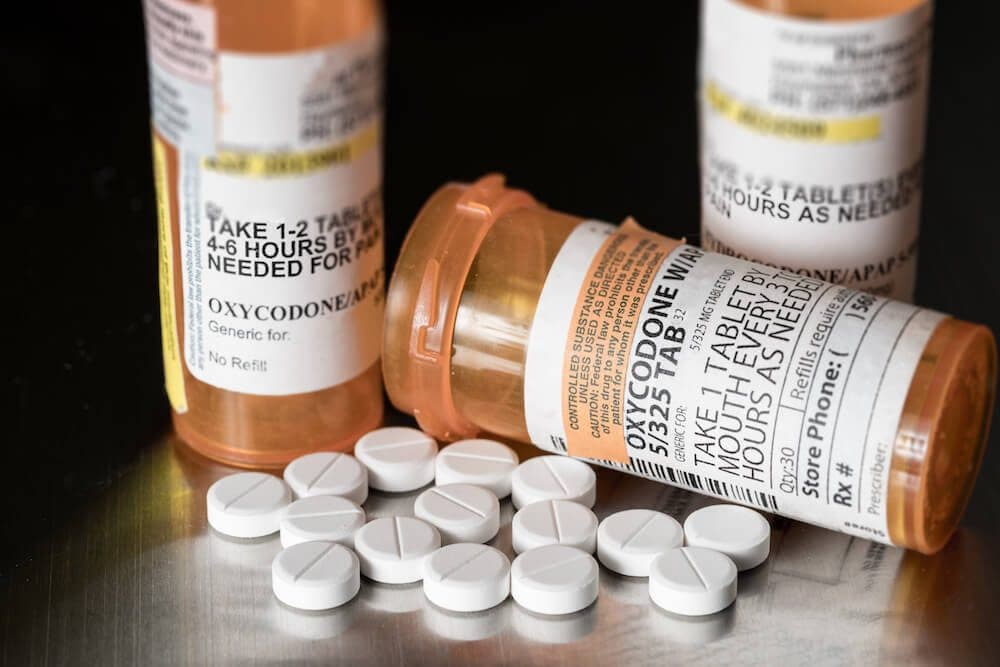
Fentanyl is a synthetic opioid many times stronger than heroin, and stopping it produces some of the most intense withdrawal symptoms people experience. While opioid withdrawal is rarely life-threatening on its own, it is severe enough that most people can't get through it alone, and the risk of relapse and overdose during withdrawal is very real.
Knowing what to expect, and why professional detox makes such a difference, can help you or a loved one take the first step safely.
Why Fentanyl Withdrawal Is Different
Fentanyl behaves differently from other opioids. It is extremely potent, and with heavy or prolonged use it can build up in the body's fatty tissue, which can make withdrawal start later and last longer than the classic opioid timeline would predict. This unpredictability is one of the main reasons medically supervised detox is so important with fentanyl specifically.
Common Withdrawal Symptoms
Fentanyl withdrawal symptoms are flu-like but far more intense, and typically include:
- Muscle aches, bone pain, and cramping
- Sweating, chills, and goosebumps
- Nausea, vomiting, and diarrhea
- Runny nose and watery eyes
- Severe anxiety, agitation, and insomnia
- Powerful cravings
- Rapid heart rate and high blood pressure
A General Timeline
With short-acting opioids, symptoms often begin within 8 to 24 hours of the last dose, peak around days 1 to 3, and ease over roughly 5 to 10 days. With fentanyl, that curve can be delayed and drawn out, sometimes taking longer to begin and longer to resolve. Many people also experience post-acute symptoms like low mood, poor sleep, and cravings for weeks afterward, which ongoing treatment helps manage.
Why Medical Detox Matters for Fentanyl
Medically supervised detox makes fentanyl withdrawal safer and far more bearable. Medication-assisted treatment (MAT) with buprenorphine or methadone can dramatically reduce symptoms and cravings, while clinical staff manage dehydration, sleep, and comfort around the clock. Just as importantly, detoxing in a controlled setting removes access to the drug during the highest-risk window for relapse, when a return to use after even a short break sharply raises overdose risk.
Get Help in Pasadena
At Path to Recovery Detox, our medical team provides safe, supervised fentanyl and opioid detox in a private, comfortable setting, then helps you move into ongoing treatment. If you or someone you love is struggling, don't wait for a crisis. Call us any time for a free, confidential assessment. If you suspect an overdose, call 911 immediately.
How Path to Recovery Can Help
More Resources
Licensed and Certified by the State Department of Health Care Services
License and Certification Number: 190986AP
Expiration Date: 2/28/2027
https://www.dhcs.ca.gov/
This page was medically reviewed for accuracy by:
- Courtney Scott, MD (NPI #1699906750)
- Dezatte Burnett, LCSW (NPI #1821240342)
- Richard Cole, LMFT, PhD (NPI #1023412244)
Licensed, Certified & Accredited